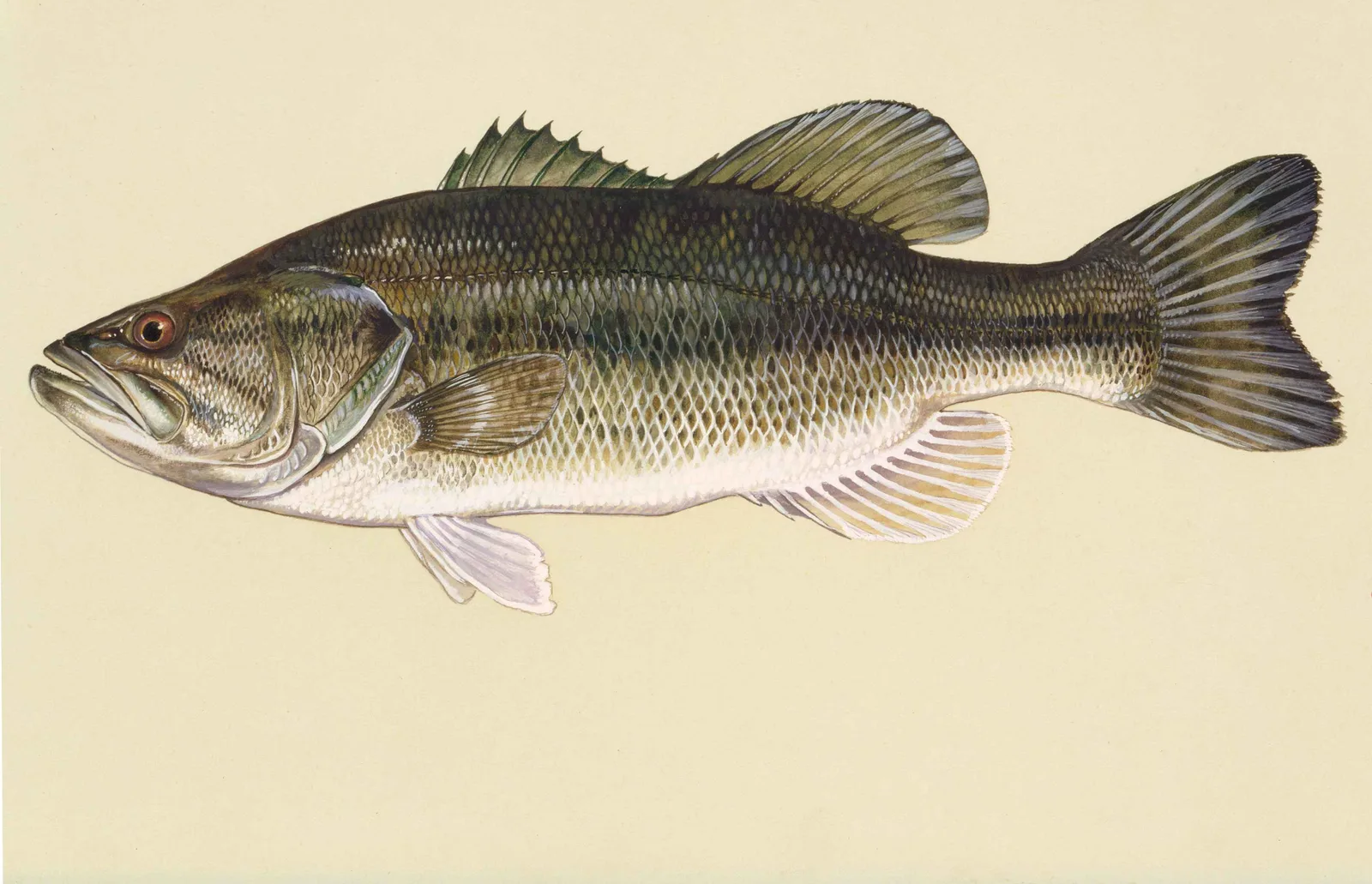
North America has more than a thousand fish species, and anglers chase a few dozen of them. For each of those, the species pages answer the same five questions: how to tell it from the fish it gets confused with, where it lives, when it feeds and spawns, what it eats, and what to tie on. Each page gives its numbers with their source, so a spawning temperature or a record weight can be checked against where it came from. Water temperature runs most of that year. The water temperature thermometer takes your reading and sorts 25 species into the ones spawning, feeding and too warm.
Largemouth bass spawn at about 60 °F, channel catfish at about 75. Read a thermometer and you know which fish is on the bank this week before you make a cast.
Which fish are you after?
- Bass: largemouth, smallmouth, spotted, Alabama and Guadalupe bass. The most fished-for freshwater fish in the United States, and the fish most lures were designed for.
- Catfish: channel, blue and flathead catfish and the bullheads. The biggest fish most anglers will ever catch from a bank, and the ones most often eaten.
- Trout: rainbow, brown, brook and lake trout, steelhead and splake. Cold-water fish that tell you a river is healthy.
- Panfish: bluegill, yellow perch, white perch and the other sunfish. The first fish most anglers catch, and the best on a plate.
- Pike and muskie: northern pike, muskellunge, tiger muskie and pickerel. The toothy ambush hunters, and how to tell one from another.
- Striped bass: striper and rockfish are one fish, at home in both salt and fresh water. The tongue test sorts it from white, hybrid and yellow bass.
- Salmon: chinook, coho, sockeye, pink, chum and Atlantic salmon, told apart by gum line and tail.
- Other freshwater fish: burbot, sturgeon, gar, bowfin, drum and the rest of the fish outside the big families.
- Fish facts: how fish sleep, breathe, hear and feel, and what each answer means when you hook and release one.
- Endangered fish: the listed fish you could hook, and what to do when you do.
Pick the fish, then the lure, then the tackle. The lure section explains each lure type once, how it moves and when it wins. The gear section does the same for rods, reels, line, hooks and electronics, so a species page can say “a 7 ft medium-heavy and a Texas rig” and send you to the page that explains both.
The names, if you want them
A few fish carry more than one common name, and a few names cover more than one fish. A Texan’s “yellow cat” and a Kansan’s “shovelhead” are both the flathead catfish. Each species page uses the agency’s accepted common name in its title and lists the regional names where it shows how to tell the fish apart. The names anglers use at the ramp, bucketmouth, slab, gator, hammer handle, are decoded in the slang list of the fishing terms.
Taxonomy moves too. The 2022 genomic revision of the black basses renamed the largemouth Micropterus nigricans and split the Florida bass off as its own species. The IGFA followed in 2024 with seven new record categories and a genetic test for any new largemouth record. Records move as well: the spotted bass all-tackle record was reset in 2025, because the earlier “spotted bass” records turned out to be Alabama bass. The species pages give the current name with the older one in brackets and date every record, so they stay right when the next revision comes.
Topics
Bass Fishing: Where the Bass Are, What to Throw, and the Three Bass You Will Meet
Bass fishing from the angler's side: where largemouth, smallmouth and spotted bass are at each water temperature, what to throw first, how to tell them apart.
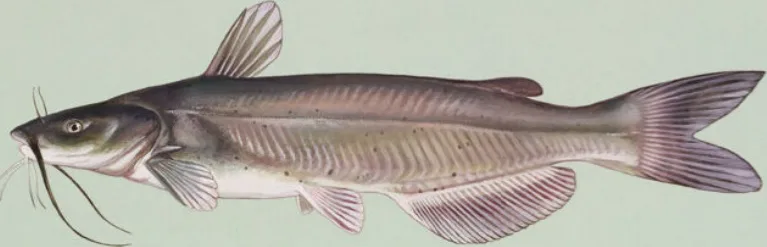
Catfish: Species Identification, Baits, Seasons and Records
The catfish species anglers catch most, channel, blue and flathead first: how to tell them apart by the anal fin, when they spawn, what bait each wants.
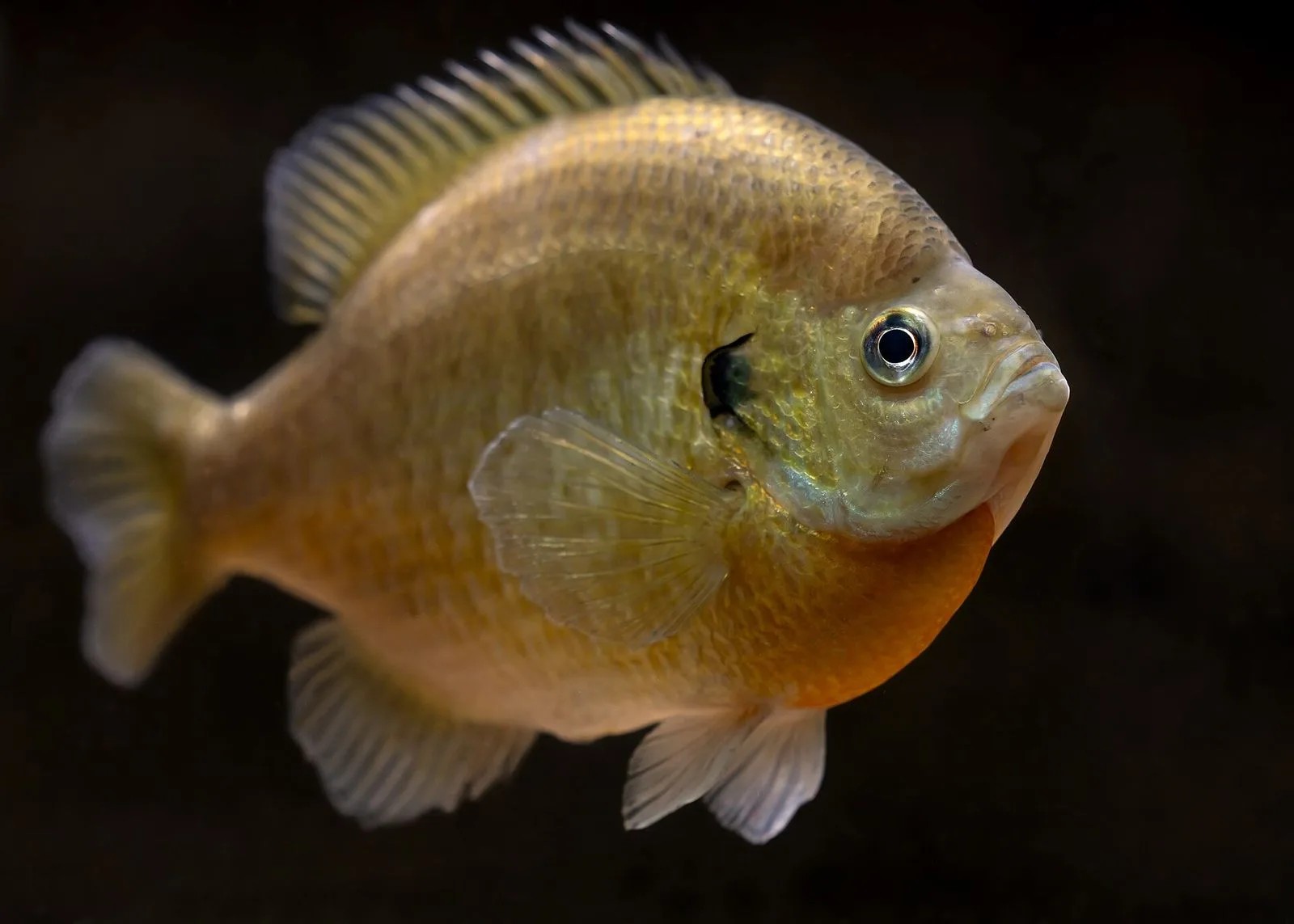
Fish Facts: The Questions Kids Ask About Fish, Answered With the Science
Fish facts with a number and a source for each: how fish sleep, breathe, hear and feel, and what every answer means when you hook and release one.
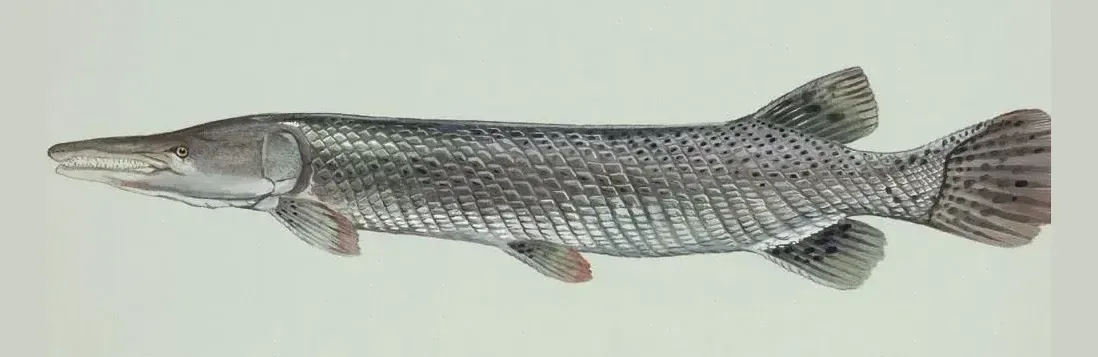
Freshwater Fish Species Outside the Big Families: Sturgeon, Gar, Bowfin, Burbot
The freshwater fish species outside the bass, trout, catfish and pike families: sturgeon, gar, bowfin, burbot, drum, eel and paddlefish, with records.
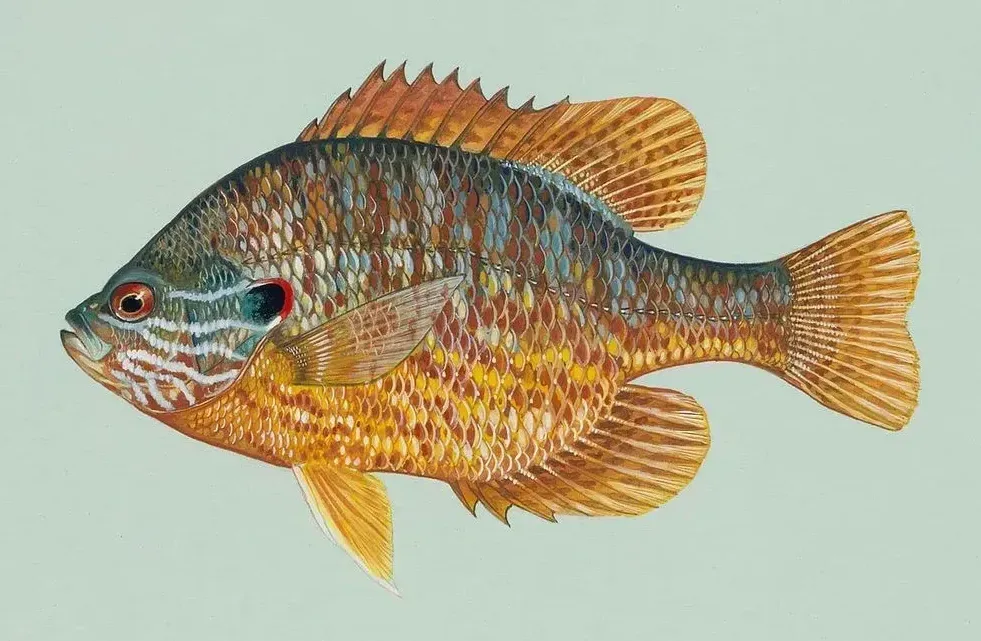
Panfish: Which Fish Count and How to Tell Them Apart
Which fish count as panfish, from bluegill and the sunfish to yellow perch and crappie: how to tell them apart, plus records, limits and eating.
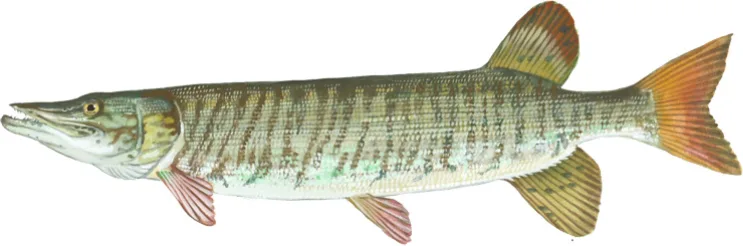
Pike Fish: Northern Pike, Muskie, Tiger Muskie and Pickerel Told Apart
The pike family in North America: northern pike, muskie, tiger muskie and chain pickerel, how to tell each one apart, and the record for each.
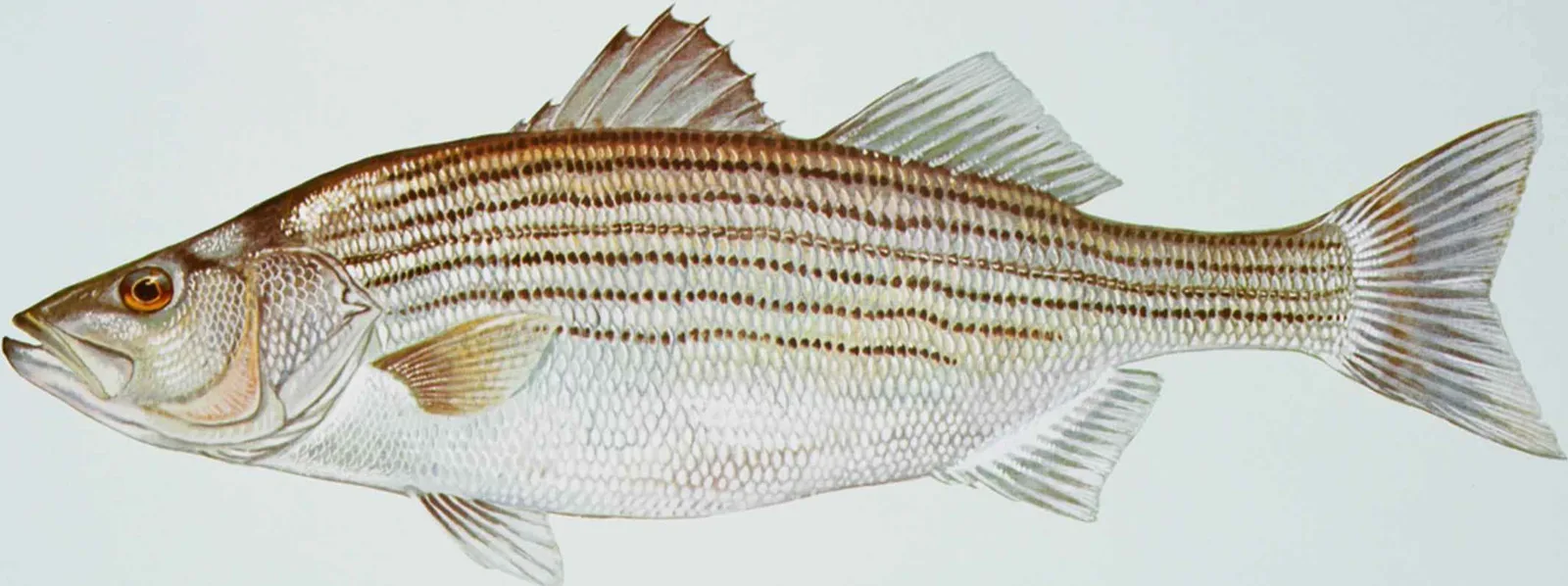
Striped Bass: The Striper, Its Kin and the 2026 Stock
Striped bass, striper, rockfish: one fish. The tongue test that sorts it from white, hybrid and yellow bass, its age by weight, and the 2026 stock.
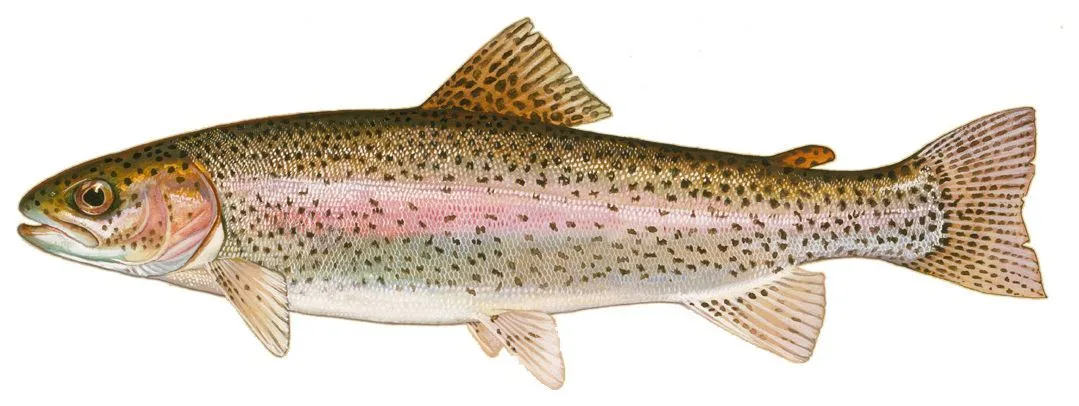
Trout: The Types of Trout and How to Tell Them Apart
The types of trout anglers catch, from rainbow and brown to brook and lake trout (two are chars): the marks that identify each, spawn seasons, records.
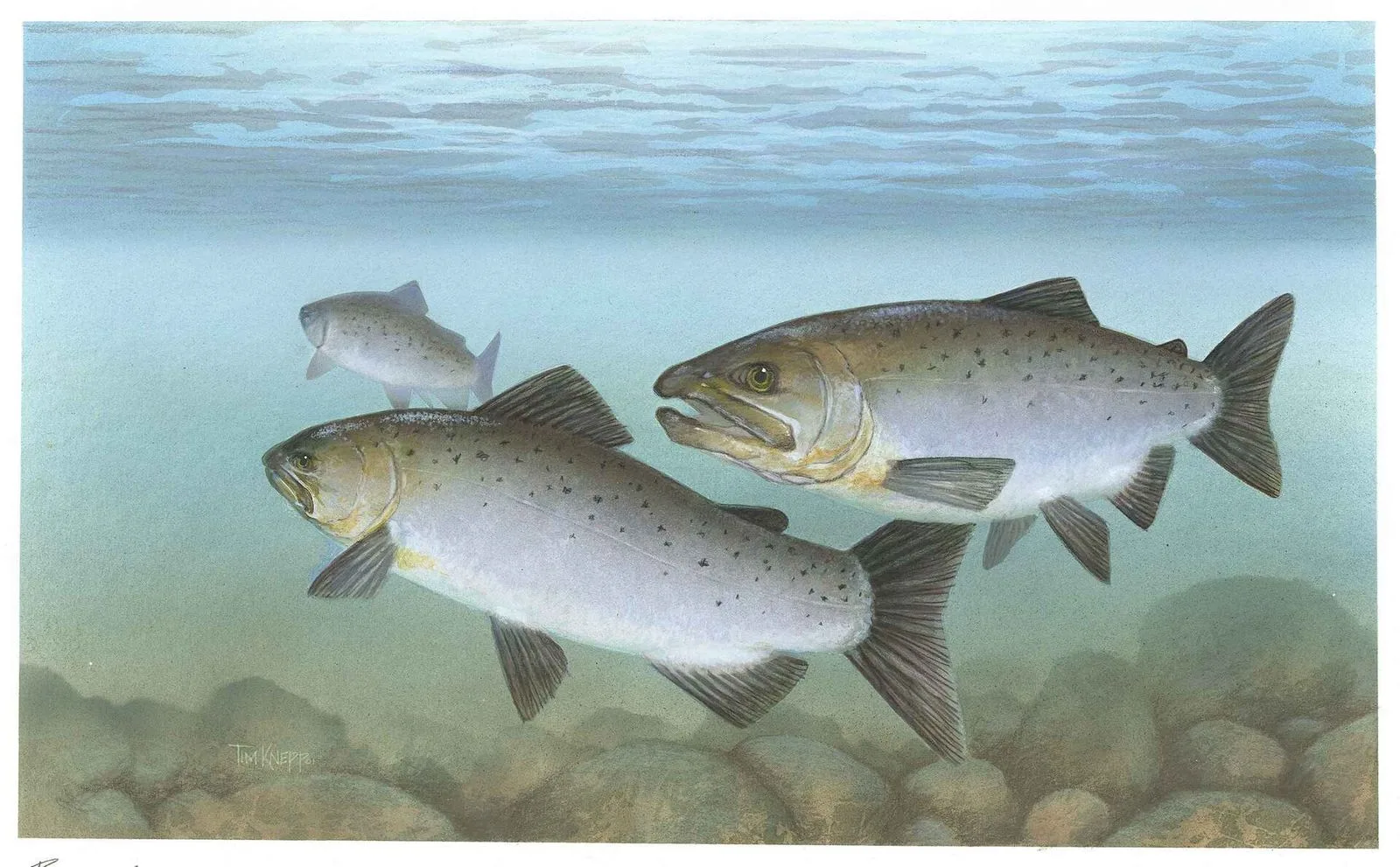
Types of Salmon: The Five Pacific Species and the Atlantic, Told Apart
The six types of salmon a North American angler meets: chinook, coho, sockeye, pink, chum and Atlantic, by gum line, tail spots, size and record.
All articles
 Endangered Fish in the United States: Which Ones You Might Hook, and What to Do
Endangered fish in the US: 167 listings, 90 endangered and 77 threatened. The ones an angler might hook, what to do when you do, the rarest fish, the comebacks.